
Hiring Your First Employees in Vietnam: How to Choose the Right Office Space for Your Growing Team

Expanding into Vietnam is an exciting opportunity for foreign businesses, but building a local team involves more than recruiting the right talent. Companies also need to consider where their employees will work, how much office space they need, and what type of workspace best supports their business operations.
For businesses entering the Vietnamese market, committing to a traditional office lease too early can create unnecessary financial and operational pressure. At the same time, choosing the wrong location can affect recruitment, accessibility, and long-term business growth.
From understanding office leasing options to evaluating business districts, this guide explores the key considerations foreign companies should know when planning their first office in Vietnam.
1. Before Hiring: Establishing Your Business Presence in Vietnam
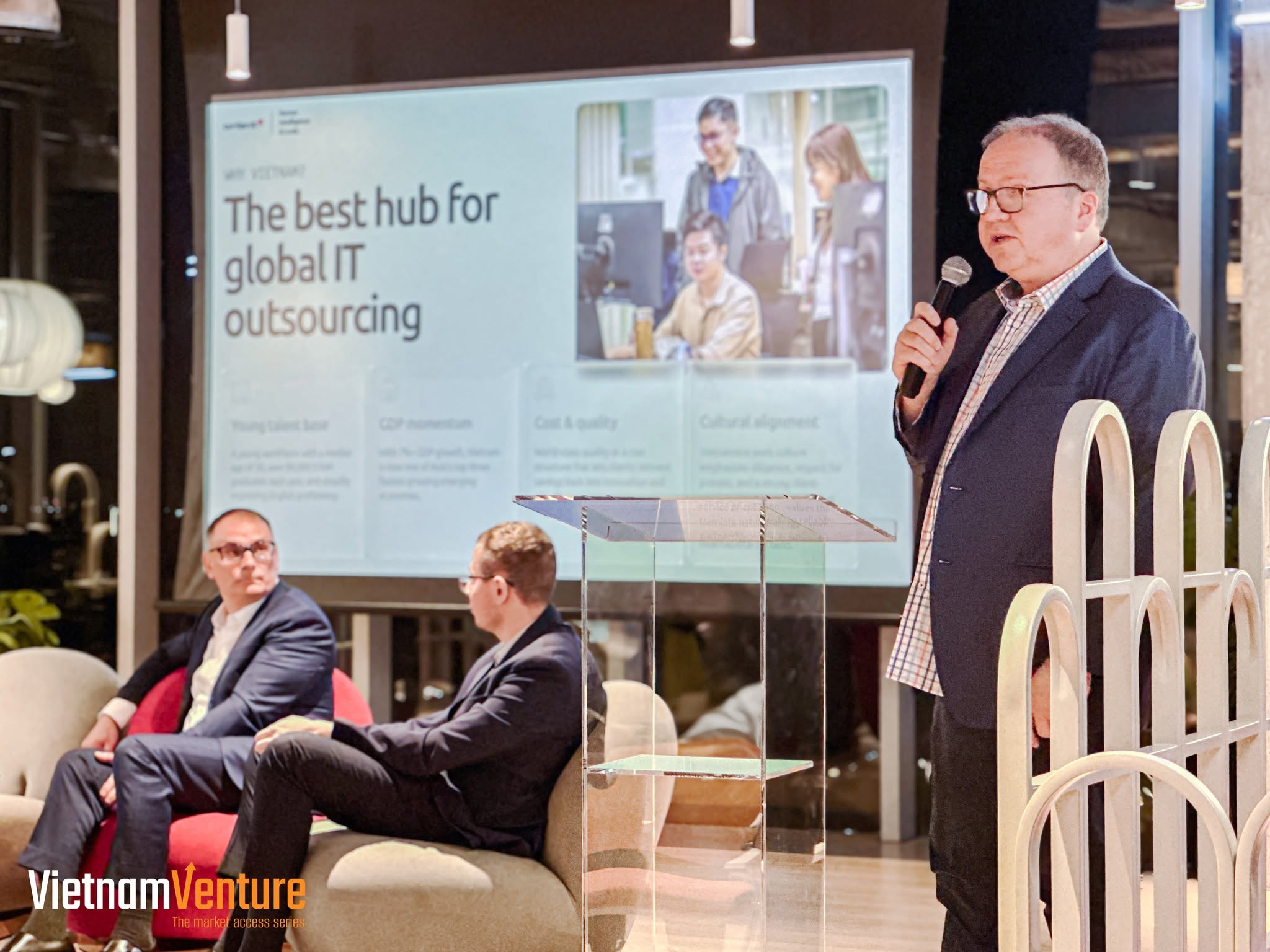
Before setting up an office, foreign companies should determine how they intend to establish and operate their business in Vietnam.
Common market entry structures include:
- Wholly Foreign-Owned Enterprise (WFOE): Establishing a locally incorporated entity with foreign ownership, subject to applicable investment and business regulations.
- Representative Office: Setting up a presence for liaison, market research, and other permitted representative activities.
- Employer of Record (EOR): Engaging a third-party provider to employ local staff on behalf of a foreign company, subject to applicable regulations.
Each structure comes with different operational requirements, levels of control, and office needs.
For example, a company conducting initial market research may only require a professional business address or occasional meeting facilities. A company building a local sales or operational team may need dedicated desks or a private office.
The key is to align your real estate commitment with your actual business structure and operational requirements.
2. Understanding Your Office Space Options in Vietnam
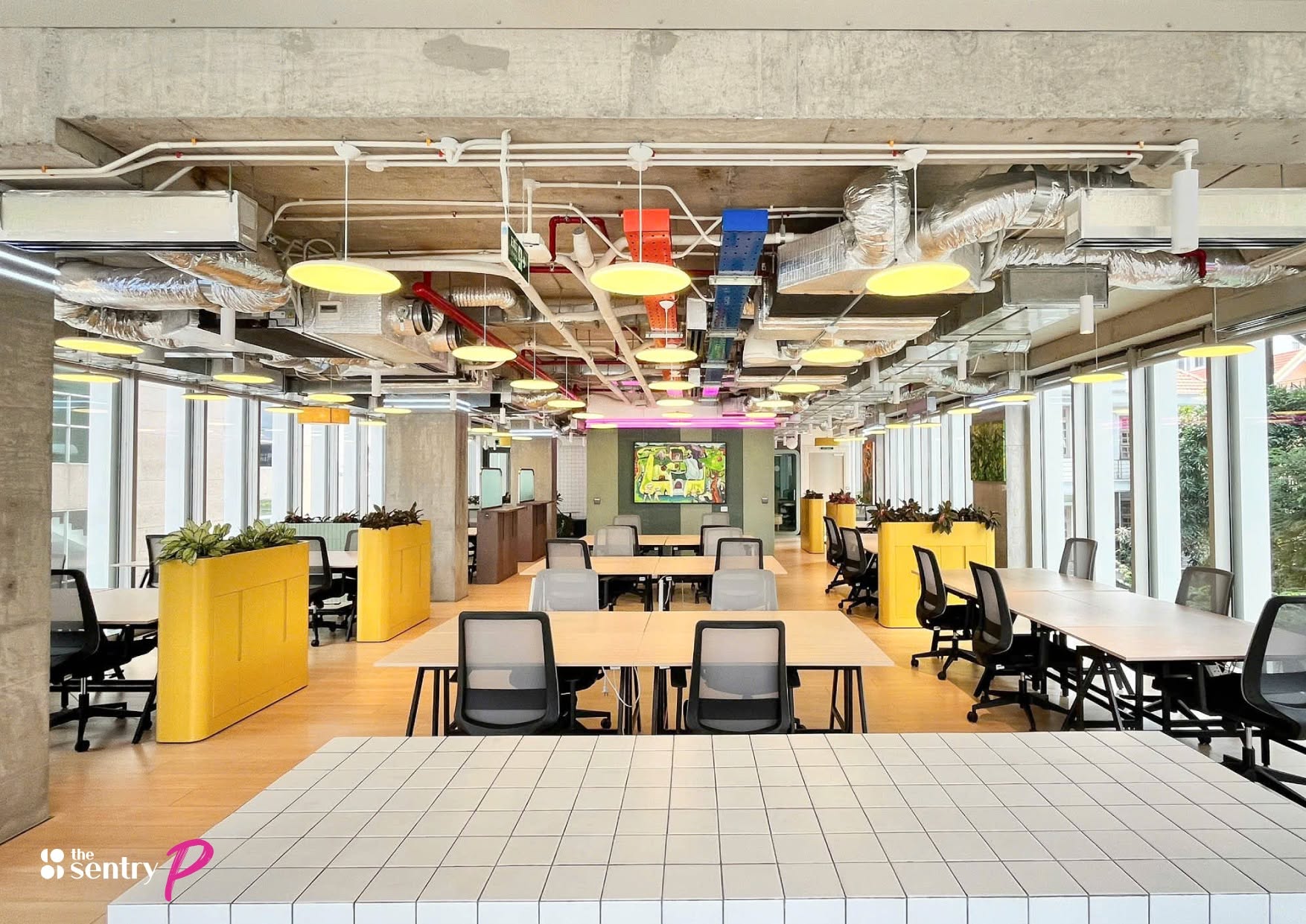
Not every business needs a conventional office lease from day one. Vietnam offers several workspace options, allowing companies to choose based on their team size, budget, and operational plans.
Flexible and Serviced Offices
Flexible workspaces provide furnished offices and shared facilities without requiring companies to manage an entire office setup independently.
Typical features include:
- Ready-to-use office facilities and furniture
- Internet and essential office services
- Meeting rooms and shared amenities
- Flexible leasing arrangements
- Access to professional business environments
Best for: Startups, foreign companies testing the Vietnamese market, and small teams that need an operational office without substantial upfront investment.
Traditional Office Leasing
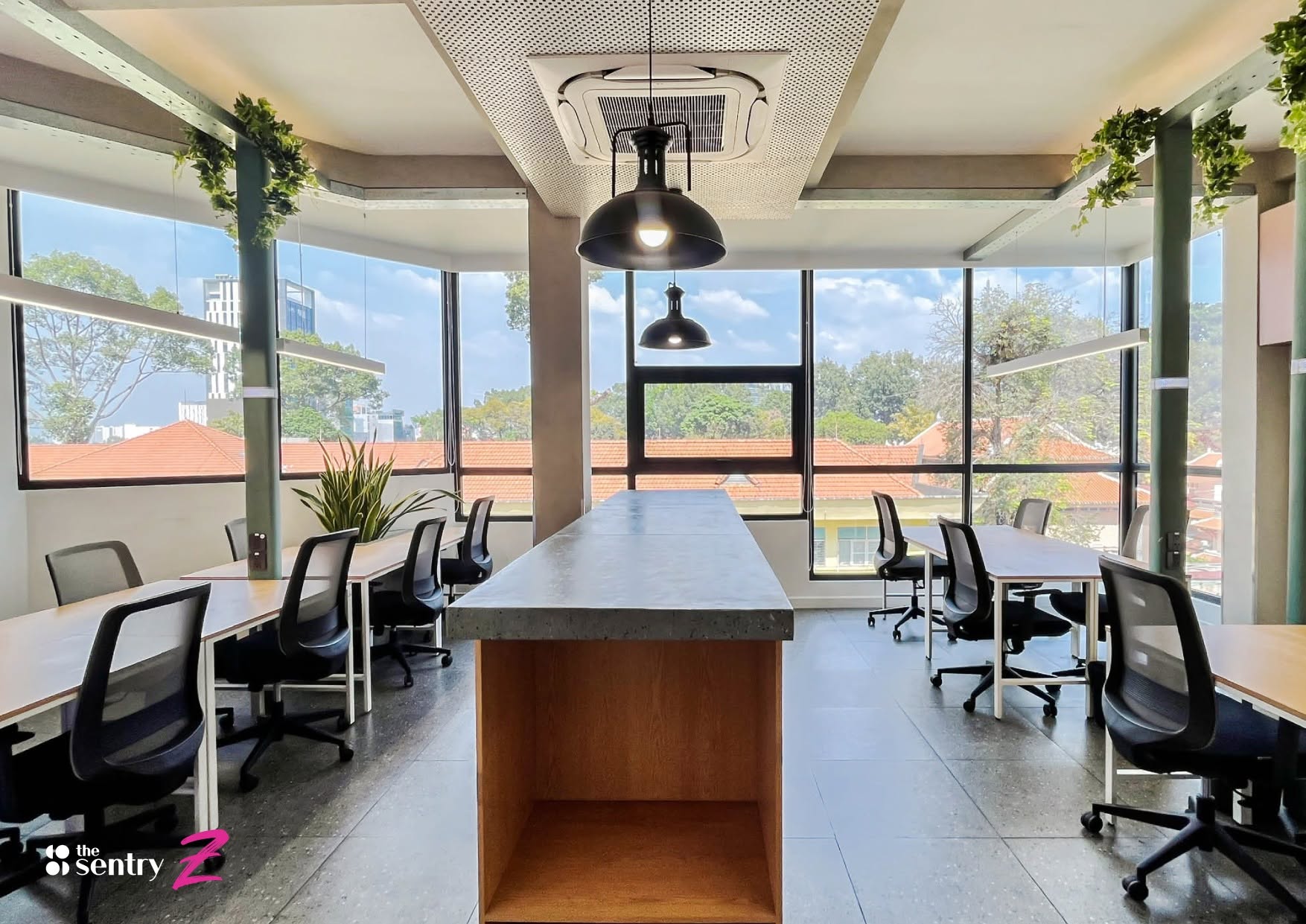
Traditional office leasing gives businesses greater control over their workplace, layout, branding, and daily operations.
However, companies may need to account for:
- Longer lease commitments
- Security deposits and rental advances
- Office fit-out and furniture costs
- Utilities, maintenance, and management fees
- Additional operational expenses
Best for: Established businesses with relatively stable headcount, defined operational requirements, and long-term plans in Vietnam.
Coworking Spaces
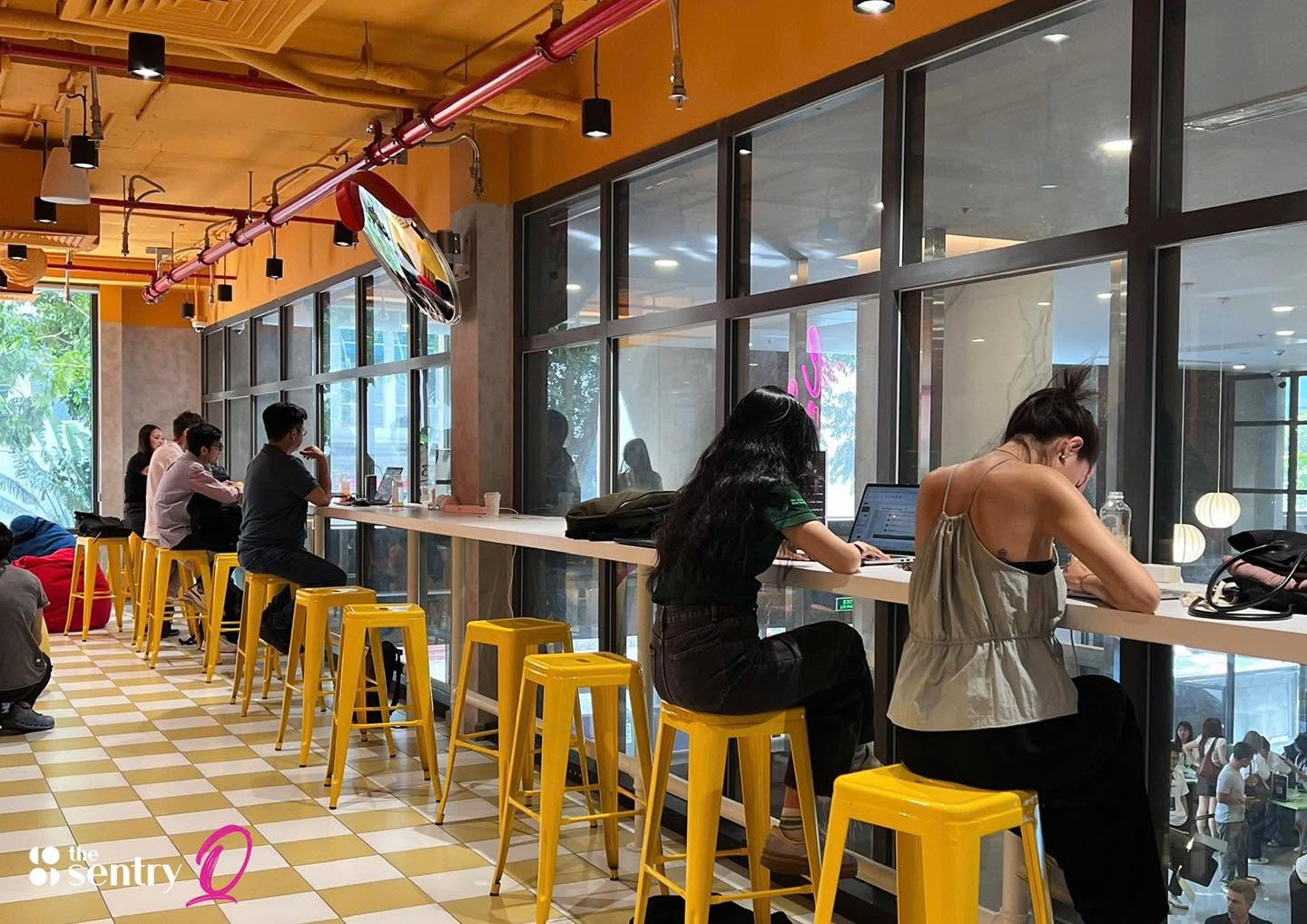
Coworking spaces offer shared working environments with access to desks, meeting rooms, and common facilities.
They can be particularly useful for individuals or small teams that do not require a dedicated private office.
Best for: Freelancers, consultants, remote teams, and businesses with a small local presence.
3. How Much Office Space Does Your Team Need?
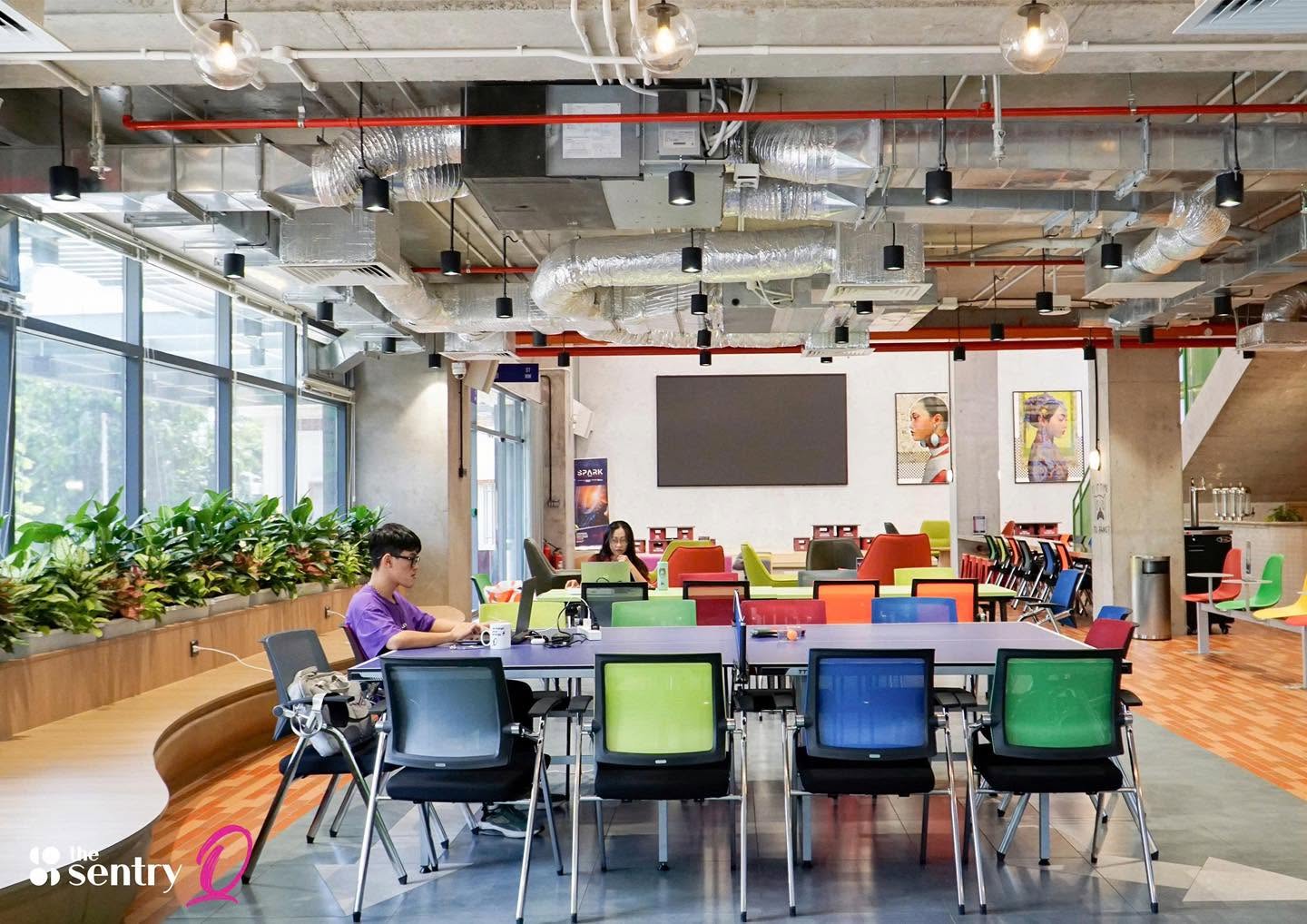
One of the most common challenges for foreign companies is determining how much office space to lease.
Leasing too much space can increase unnecessary overhead, while an undersized office may limit productivity and future recruitment.
Rather than selecting an office based solely on current headcount, businesses should consider their expected team size over the next 12–24 months.
Here is a practical starting point:
| Team Size | Potential workspace solution |
|---|---|
| 1–3 employees | Coworking or small private office |
| 4–10 employees | Serviced office or compact private office |
| 11–30 employees | Larger private office or traditional lease |
| 30+ employees | Dedicated office space with long-term planning |
These are indicative starting points, not fixed space standards. Actual requirements depend on workplace layout, meeting room needs, operational activities, and applicable occupancy requirements.
Key Factors to Consider
Before committing to a lease, evaluate:
- Current and projected headcount: Allow room for realistic recruitment plans.
- Total occupancy costs: Consider rent, service charges, utilities, deposits, and fit-out expenses.
- Lease flexibility: Understand renewal conditions, termination clauses, and expansion options.
- Accessibility: Evaluate proximity to public transport, residential areas, and business partners.
- Workplace requirements: Consider meeting rooms, private offices, collaborative areas, and operational facilities.
5. Planning for Business Growth Without Overcommitting

A company's first office should support its immediate operations while leaving room for future development.
For foreign businesses entering Vietnam, a phased workspace strategy can help manage costs and reduce long-term commitments.
Consider the following approach:
| Phase 1: Market Entry | Phase 2: Team Expansion | Phase 3: Business Establishment |
|---|---|---|
| Start with a coworking membership, dedicated desk, or small serviced office while establishing your initial operations. | As recruitment progresses, move into a private office that provides additional space, privacy, and dedicated facilities. | Once headcount and operational requirements become more predictable, evaluate larger office premises or a traditional commercial lease. |
This approach allows businesses to make real estate decisions based on actual growth rather than assumptions made during the initial market entry stage.
6. Finding the Right Office Space for Your Vietnam Expansion
Choosing an office is more than finding available square footage. It requires understanding the relationship between business strategy, location, workplace requirements, and long-term occupancy costs.
For foreign companies entering Vietnam, working with a commercial real estate advisor can help simplify the process, from identifying suitable office locations to evaluating leasing options and negotiating commercial terms.
At leapX, we help businesses navigate Vietnam's commercial real estate market through tailored advisory and workplace solutions.
Whether you are establishing your first local presence, expanding an existing team, or evaluating new office locations, our team helps you identify spaces that align with your operational needs and business objectives.
Ready to establish your office in Vietnam?
Explore office spaces across Ho Chi Minh City and connect with leapX to find the right workspace for your next stage of growth.
Explore dedicated office space and flexible coworking space options for your team in Vietnam.