
Setting Up a Head Office in Vietnam: A Guide to Office Location and Leasing

Vietnam has become an increasingly attractive destination for international businesses expanding into Southeast Asia. As companies establish local teams, develop partnerships, and enter new markets, choosing the right office location becomes an important part of their expansion strategy.
However, securing an office in Vietnam involves more than finding an available space. Businesses need to consider the purpose of their local presence, the suitability of the property, lease commitments, occupancy costs, and their plans for future growth.
For foreign companies establishing a representative office or building a local operating presence, these decisions can influence both the cost and efficiency of market entry.

At leapX, we help businesses navigate Vietnam's commercial real estate market through office search, leasing advisory, workplace strategy, and market research. This guide explores what a head office is, how to assess potential locations in Vietnam, and what to consider before committing to an office lease.
What Is a Head Office?
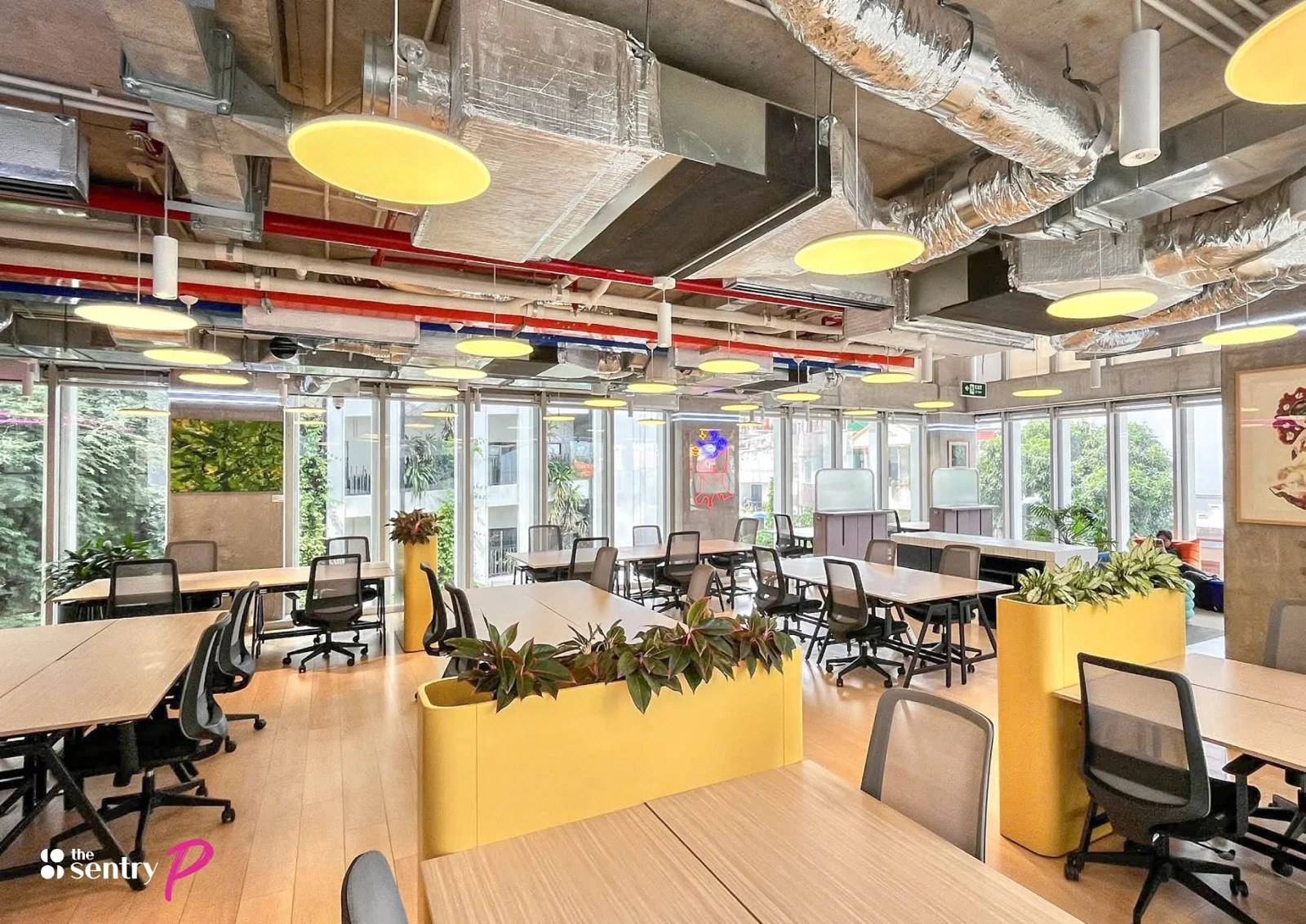
A head office, also known as a headquarters (HQ) or central office, is the primary location from which a company manages and coordinates its operations.
Depending on the organisation, it may accommodate executive leadership, finance, human resources, marketing, administration, and other central business functions.
For international companies expanding into Vietnam, the local office may serve different purposes depending on the business structure and operating model. It could function as a representative office, a regional management base, or the headquarters of a locally incorporated entity.
It is important to distinguish between several types of business locations:
Head office: The central location responsible for a company's overall management and strategic direction.
Branch office: A location that supports business activities under the authority of the main business.
Regional office: A base for managing operations across a particular geographic market.
Registered office: The official address recorded for legal and administrative purposes, where applicable.
These terms are not necessarily interchangeable from a legal perspective. Companies should confirm the appropriate designation and registration requirements for their specific business structure.
From a real estate perspective, the key consideration is whether the chosen premises support the company's intended activities, team requirements, and long-term plans.
Choosing the Right Head Office Location in Vietnam
Location can affect employee accessibility, client relationships, recruitment, operating costs, and the company's ability to expand.
For businesses entering Vietnam for the first time, evaluating the right location requires balancing commercial priorities with practical workplace needs.
1. Proximity to Clients and Business Partners

Companies that regularly meet clients, investors, suppliers, or government representatives may benefit from an office close to their key stakeholders.
For businesses targeting multinational companies and professional services networks, central commercial districts may offer convenient access to business partners and established corporate infrastructure.
Companies with different operational priorities may find that other commercial areas provide a better balance of accessibility, available space, and cost.
Before choosing a location, identify where your key stakeholders operate and how frequently your team needs to meet them in person.
2. Access to Talent and Transport

An office should work for the people who use it every day.
Accessibility by public transport, road networks, and other commuting options can influence recruitment, employee satisfaction, and attendance.
Businesses planning to build a local team should consider where prospective employees live, the availability of transport connections, and whether the surrounding area supports their preferred working arrangements.
As Vietnam's major cities continue to develop, comparing locations based on actual commuting patterns and workplace requirements can help companies make more informed decisions.
3. Office Costs and Lease Commitments
Rental rates are only one component of the total cost of occupying an office.
Businesses should also evaluate service charges, utilities, deposits, fit-out expenses, furniture, maintenance, parking, and other costs associated with the lease.
Lease duration is another important consideration. A long-term lease may provide greater stability, but it can also create financial commitments before a company's local operations have fully developed.
For businesses entering Vietnam, comparing the total occupancy cost across different office options can provide a more realistic view of the budget required.
leapX helps businesses assess commercial property options against their location, budget, and operational requirements, supporting more informed decisions before they commit to a lease.
What Type of Office Should You Choose?
The right workspace depends on the size of your team, the nature of your operations, and how quickly you expect your business to grow.
Traditional Leased Offices

Traditional office leases can suit companies that require dedicated premises, greater control over their workplace design, or space for a larger local team.
They may offer flexibility in configuring the layout, branding, and internal facilities to match the company's requirements.
However, businesses should account for the time and investment needed for lease negotiations, fit-out, furniture, utilities, and ongoing office management.
A traditional lease may be appropriate for companies with established headcount forecasts and a clearer understanding of their long-term space requirements.
Serviced Offices
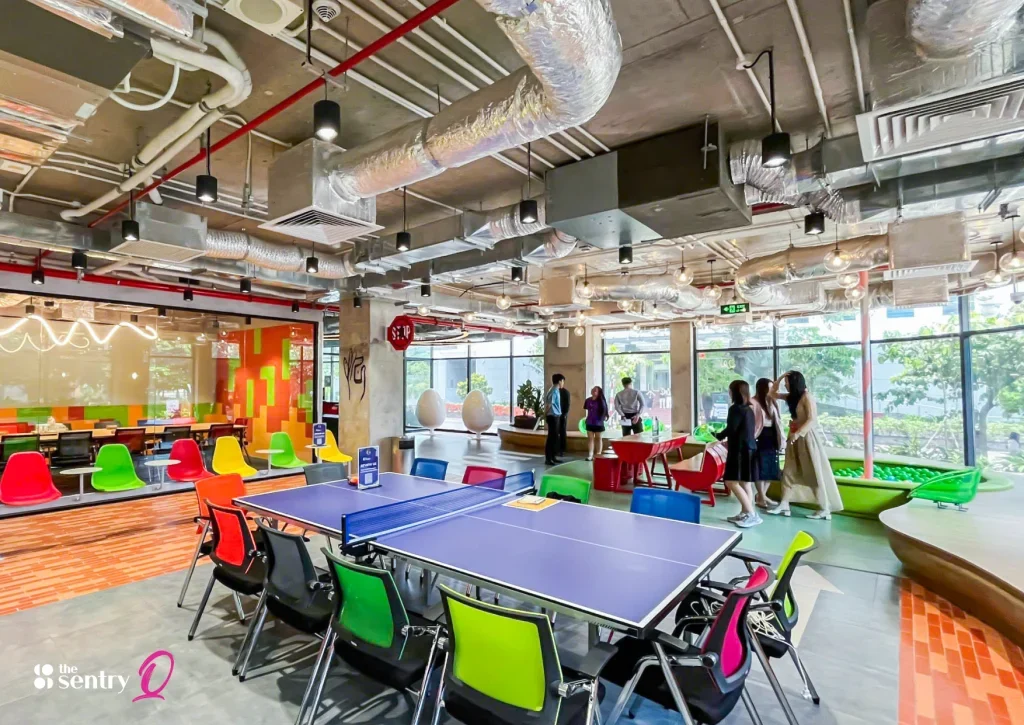
Serviced offices provide furnished workspaces and access to shared facilities, with services varying by provider.
Depending on the arrangement, these may include reception, meeting rooms, internet connectivity, utilities, and office management.
For foreign companies establishing their first local presence, a serviced office may reduce the initial effort required to set up a workplace.
It can also provide a professional environment while the company evaluates its longer-term property strategy.
Flexible Offices and Coworking Spaces

Flexible workspaces can be suitable for smaller teams, project-based operations, and businesses that need room to adjust their workspace requirements.
Depending on the provider and agreement, companies may have access to private offices, shared meeting facilities, and other workplace amenities without taking on the same commitments as a conventional lease.
This option may be particularly relevant when the size of the local team is expected to change as the business develops.
However, companies should assess the available facilities, privacy requirements, commercial terms, and suitability of the premises for their intended activities before making a decision.
Where Should You Establish Your Head Office in Vietnam?
Vietnam offers different commercial real estate opportunities across its major business centres. The most suitable location depends on the company's target market, industry, workforce, and expansion strategy.
Ho Chi Minh City: A Commercial Hub for Market Entry

Ho Chi Minh City is an important destination for companies seeking access to a broad business network, professional services, and a diverse talent pool.
For businesses establishing a presence in southern Vietnam, location decisions may involve balancing access to clients, office quality, commuting convenience, and occupancy costs.
Central commercial areas can be suitable for companies that prioritise a corporate address and proximity to business partners. Other established commercial locations may offer alternative workspace options depending on the team's needs and budget.
Rather than selecting an office based on prestige alone, businesses should compare the advantages of each location against their actual operating requirements.
Hanoi: Access to Northern Vietnam

Hanoi can be a strategic base for businesses developing relationships in northern Vietnam or working with organisations concentrated in the capital.
Companies should consider their target stakeholders, recruitment requirements, transport access, and the availability of appropriate office space.
For businesses operating across both northern and southern Vietnam, the decision to establish one office or multiple locations should reflect the distribution of their clients, employees, and operational responsibilities.
Industrial and Emerging Commercial Locations
Companies involved in manufacturing, logistics, technology, and supply-chain activities may need to evaluate locations beyond the main central business areas.
Proximity to industrial parks, suppliers, transport infrastructure, and relevant business clusters can be more important than a prestigious city-centre address.
A location assessment should therefore begin with the company's business objectives and operational requirements, rather than assuming that every business needs a central office.
What Should You Check Before Signing an Office Lease?

Once you have identified a potential location, the next step is to assess whether the property and lease terms align with your business requirements.
Confirm the Property's Permitted Use
Companies should verify that the premises are legally permitted for the intended office use and that the proposed arrangement is appropriate for their business activities and registration requirements.
This is particularly important for businesses establishing representative offices or other registered business locations.
Property type, building documentation, and the intended use of the premises can affect suitability. Do not assume that every residential apartment, mixed-use unit, coworking address, or virtual office arrangement is acceptable for every registration purpose.
Seek confirmation from qualified local legal or licensing advisers before committing to a property.
Evaluate the Full Cost of Occupancy
Compare office options using the total expected cost rather than the advertised rent alone.
Depending on the property, relevant expenses may include:
- Base rent and service charges
- Security deposits and advance rental payments
- Fit-out, furniture, and equipment
- Utilities, internet, and maintenance
- Parking and other building-related fees
- Potential reinstatement costs at the end of the lease
A consistent cost comparison helps businesses understand the financial implications of different office options and identify the most suitable arrangement for their budget.
Review Lease Flexibility

Your first office in Vietnam may not remain the right fit as your business grows.
Before signing, review the lease term, renewal conditions, permitted use, expansion options, early termination provisions, and other contractual obligations with appropriate professional support.
Companies expecting changes in headcount may benefit from considering flexible workspace options or lease structures that better reflect their growth plans.
Match Office Space to Your Team
Choosing an office that is too large can increase unnecessary costs, while an undersized workplace may limit productivity and future recruitment.
Consider your expected headcount, meeting-room requirements, private working areas, collaboration needs, and plans for hiring over the next few years.
A workplace strategy based on realistic growth assumptions can help businesses avoid committing to space that does not match their needs.
How leapX Supports Office Search and Leasing in Vietnam

Finding the right office involves more than browsing available listings. Businesses need to compare locations, understand commercial terms, evaluate workspace options, and assess how each property fits their expansion plans.
leapX supports businesses entering and expanding across Vietnam through commercial real estate advisory, helping companies make informed decisions about their office requirements.
Our services include:
Office Search and Leasing Advisory
Identify potential office spaces based on location, budget, size, and business requirements, helping narrow the options to properties that suit your priorities.
Location and Market Research
Compare commercial areas, available office options, and location-specific considerations to support your site-selection process.
Workplace Strategy
Assess your team's space requirements and consider whether a traditional lease, serviced office, or flexible workspace better suits your operating model.
Expansion and Portfolio Planning
Review your real estate requirements as your business develops, helping align office decisions with changes in headcount, location strategy, and operational needs.
Whether you are establishing your first office in Ho Chi Minh City, exploring opportunities in Hanoi, or evaluating additional locations across Vietnam, leapX can help you navigate the commercial property market with a clearer understanding of your options.
For legal registration, licensing, and property compliance matters, businesses should consult appropriately qualified local advisers.
Find the Right Office for Your Vietnam Expansion
Establishing a head office in Vietnam is an important decision that can influence how your business operates, recruits talent, manages costs, and develops local relationships.
The right choice depends on more than location or rental price. Companies should consider their intended activities, workplace requirements, total occupancy costs, lease flexibility, and plans for future growth.
A structured approach to office search and leasing can help businesses evaluate their options and select a workspace that supports their commercial objectives.
Planning to establish or expand your office in Vietnam?
Explore available commercial properties and connect with leapX to discuss your office search and real estate requirements.
Visit leapx.space to explore office opportunities across Vietnam.
Explore dedicated office space and flexible coworking space options for your team in Vietnam.