
Why Invest in Vietnam? 10 Opportunities for Foreign Businesses in 2026

Vietnam has become an increasingly attractive destination for international businesses looking to expand across Southeast Asia. Supported by economic growth, global trade integration, a large workforce, and rising domestic demand, the country offers opportunities across manufacturing, technology, professional services, and consumer industries.
In 2024, Vietnam's economy grew by 7.09%, reaching an estimated GDP of USD 476.3 billion. Exports also increased by 14.3% to USD 405.53 billion, reflecting the country's continued role in global trade.
For foreign companies, however, entering a new market involves more than identifying growth opportunities. Businesses must also evaluate operating costs, regulatory requirements, talent availability, and where to establish their local presence.
Here are 10 factors to consider when evaluating Vietnam as an investment destination, along with how commercial real estate planning can support a successful market entry.
1. A Growing Economy with Long-Term Potential
Vietnam's economic growth has strengthened its position as a destination for foreign investment. Manufacturing remains an important driver, while technology, professional services, tourism, and domestic consumption continue to create opportunities across different sectors.
The government's ambition to become a high-income economy by 2045 also signals a long-term focus on development and economic transformation.
For international businesses, this growth creates opportunities to establish local operations, build partnerships, and reach an expanding customer base.
What this means for your business: Companies considering Vietnam should assess their target industry, preferred market, and long-term expansion plans before committing to a location. The right office strategy can support recruitment, client accessibility, and future growth as operations develop.
2. Strategic Access to Regional and Global Markets
Vietnam's location in Southeast Asia provides access to major Asian business centres, including Singapore, Hong Kong, Tokyo, and other regional markets. Its coastline, international ports, and growing transport network also support cross-border trade and supply chain operations.
For manufacturers and logistics companies, proximity to suppliers, ports, and industrial zones can influence operating efficiency. For regional headquarters and professional services firms, connectivity to clients, partners, and international airports is often a key consideration.
Vietnam's role in supply chain diversification, including the China Plus One strategy, has further increased interest from companies seeking to diversify their regional footprint.
What this means for your business: Location decisions should reflect your operating model. A company serving regional clients may prioritise central business districts and airport access, while manufacturing and logistics operations may focus on industrial connectivity and transport infrastructure.

3. Access to a Large and Developing Workforce
With a population exceeding 100 million, Vietnam offers a substantial labour pool for companies establishing or expanding their operations.
The country has also developed talent across technology, engineering, manufacturing, business services, and other professional fields. Major cities such as Ho Chi Minh City and Hanoi attract graduates and experienced professionals, creating important employment centres for international businesses.
Talent availability, however, varies by industry and location. Companies may need to consider proximity to universities, residential areas, transport links, and established business communities when choosing where to operate.
What this means for your business: Office location is part of workforce planning. A workplace that is accessible to employees and close to relevant talent pools can support recruitment, retention, and day-to-day collaboration.

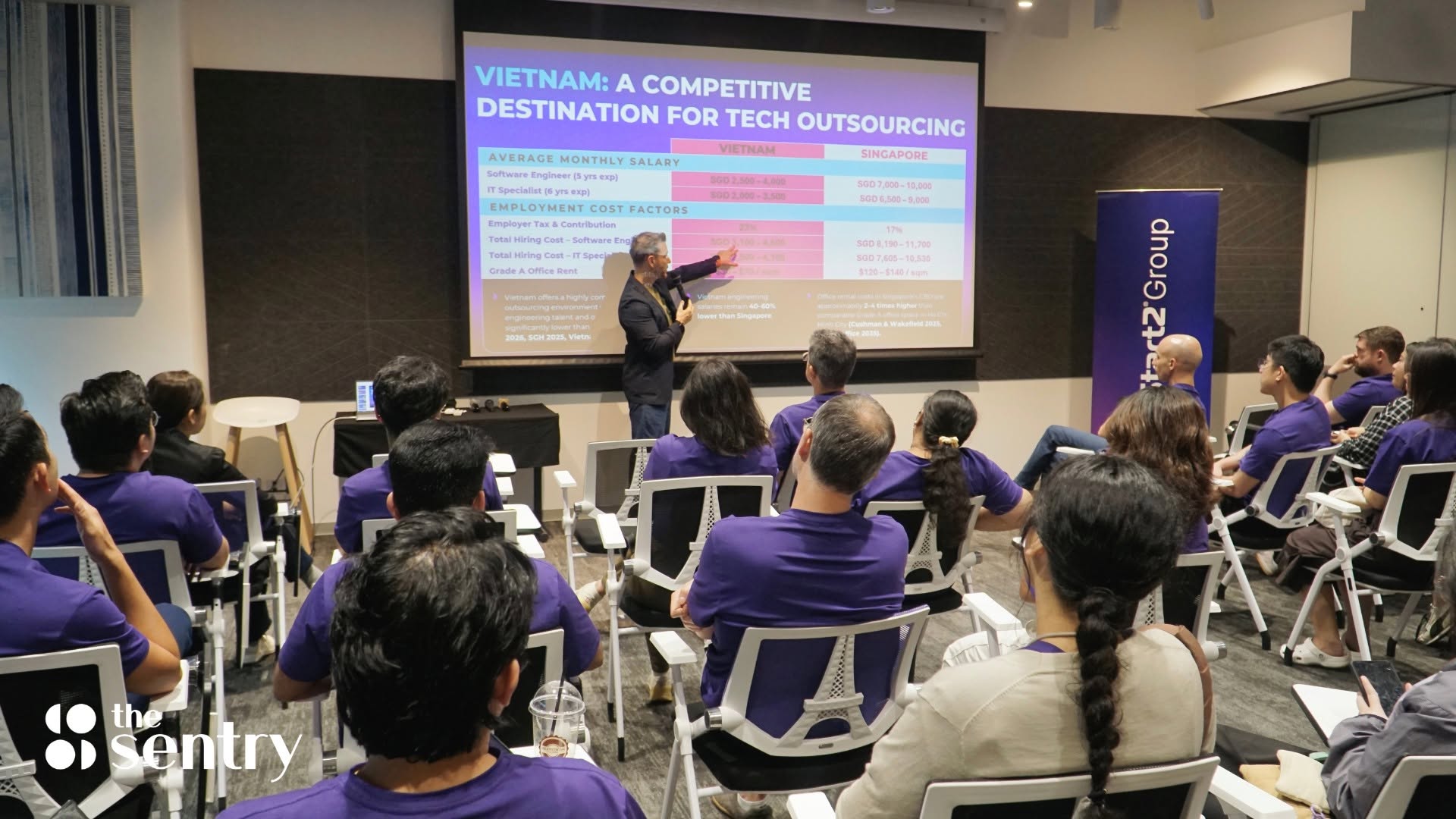
4. Competitive Operating Costs
Vietnam continues to attract companies looking to manage operating costs while accessing regional markets and local talent. Labour costs can be competitive compared with several more developed economies, although actual savings depend on the industry, location, skill requirements, and operating model.
For office-based businesses, commercial property costs are another important part of the equation. Rental rates, service charges, fit-out expenses, parking, utilities, and lease commitments can all affect the total cost of establishing a local office.
A lower headline rent does not necessarily translate into lower overall occupancy costs. Businesses should compare the full financial commitment across suitable locations and buildings.
What this means for your business: A structured office search can help companies compare rental options, evaluate lease terms, and identify workspace solutions that align with their budget and headcount.
5. An Investment Environment That Supports Market Entry
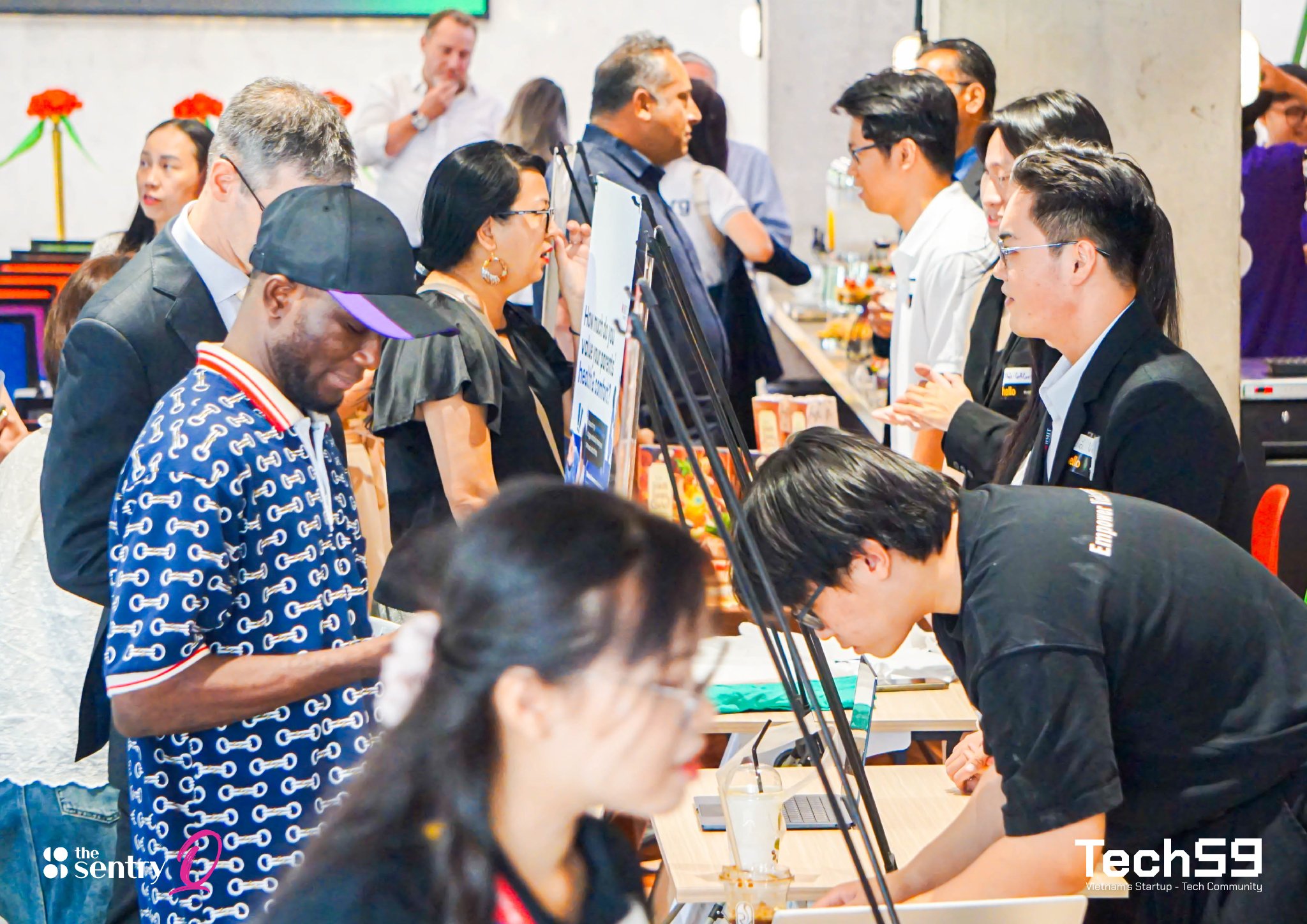
Foreign direct investment remains an important part of Vietnam's economic development. The country has attracted international manufacturers, technology businesses, and service providers looking to establish or expand regional operations.
Depending on the industry and investment structure, foreign investors may be eligible to establish wholly foreign-owned enterprises. Certain qualifying projects and sectors may also benefit from investment incentives.
However, ownership rights, licensing, tax incentives, and market-entry procedures depend on the applicable regulations and the nature of the business. Companies should obtain appropriate legal, tax, and corporate advice before making investment decisions.
What this means for your business: Market entry planning should cover both corporate establishment and physical operations. Businesses need to understand their registration requirements, assess suitable office locations, and ensure that their premises meet relevant business and leasing requirements.

6. Trade Agreements That Expand Market Access
Vietnam's network of free trade agreements connects the country with numerous international markets. Agreements such as the EU-Vietnam Free Trade Agreement (EVFTA) and the Comprehensive and Progressive Agreement for Trans-Pacific Partnership (CPTPP) can create trade opportunities for eligible goods and businesses.
The benefits depend on factors such as product origin, applicable rules of origin, tariff schedules, and industry-specific requirements.
For international companies, these agreements can make Vietnam an attractive base for certain manufacturing, sourcing, and export-oriented activities.
What this means for your business: Companies should assess where their customers, suppliers, and distribution partners are located before selecting an operating base. For businesses with multiple sites, a broader property strategy can help align office, industrial, and logistics requirements with their expansion plans.
7. Infrastructure Development Is Reshaping Business Locations
Vietnam continues to invest in transport and urban infrastructure, including expressways, airports, ports, and public transport systems. These developments can influence how businesses evaluate accessibility and the long-term potential of different locations.
In Ho Chi Minh City, metro development and wider transport improvements are changing how employees and clients may access commercial areas. Industrial and logistics infrastructure is also important for companies operating beyond major city centres.
Infrastructure projects do not affect every location equally. Accessibility, completion timelines, existing transport connections, and local development plans should all be considered when assessing a property.
What this means for your business: Choosing an office based on current convenience alone may overlook future opportunities or constraints. A location assessment should consider transport access, surrounding amenities, workforce connectivity, and the suitability of the area for your business over the lease term.
8. A Growing Consumer Market
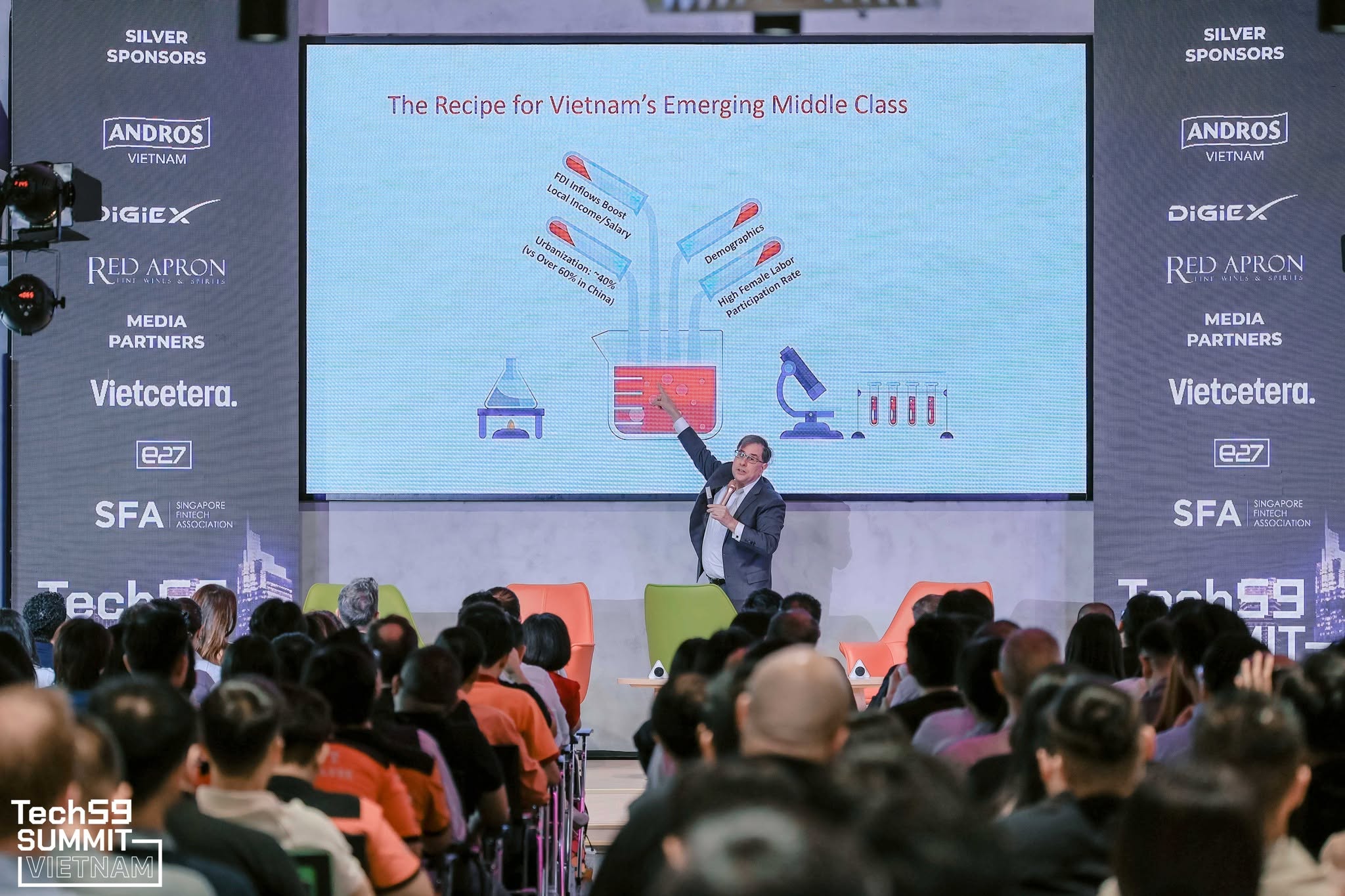
Vietnam's expanding urban population and evolving consumer preferences are creating opportunities for businesses in retail, healthcare, education, financial services, technology, and lifestyle sectors.
As cities develop, demand for convenient services, modern retail environments, and professional services continues to shape commercial activity.
For companies entering the market, understanding local customer behaviour and identifying the right commercial catchment area are important steps in developing a sustainable presence.
What this means for your business: Location can influence visibility, customer access, and proximity to business partners. Retailers, service providers, and customer-facing businesses should evaluate foot traffic, demographics, nearby competitors, and the characteristics of their target market before selecting a site.
9. A Dynamic Digital Economy and Innovation Ecosystem
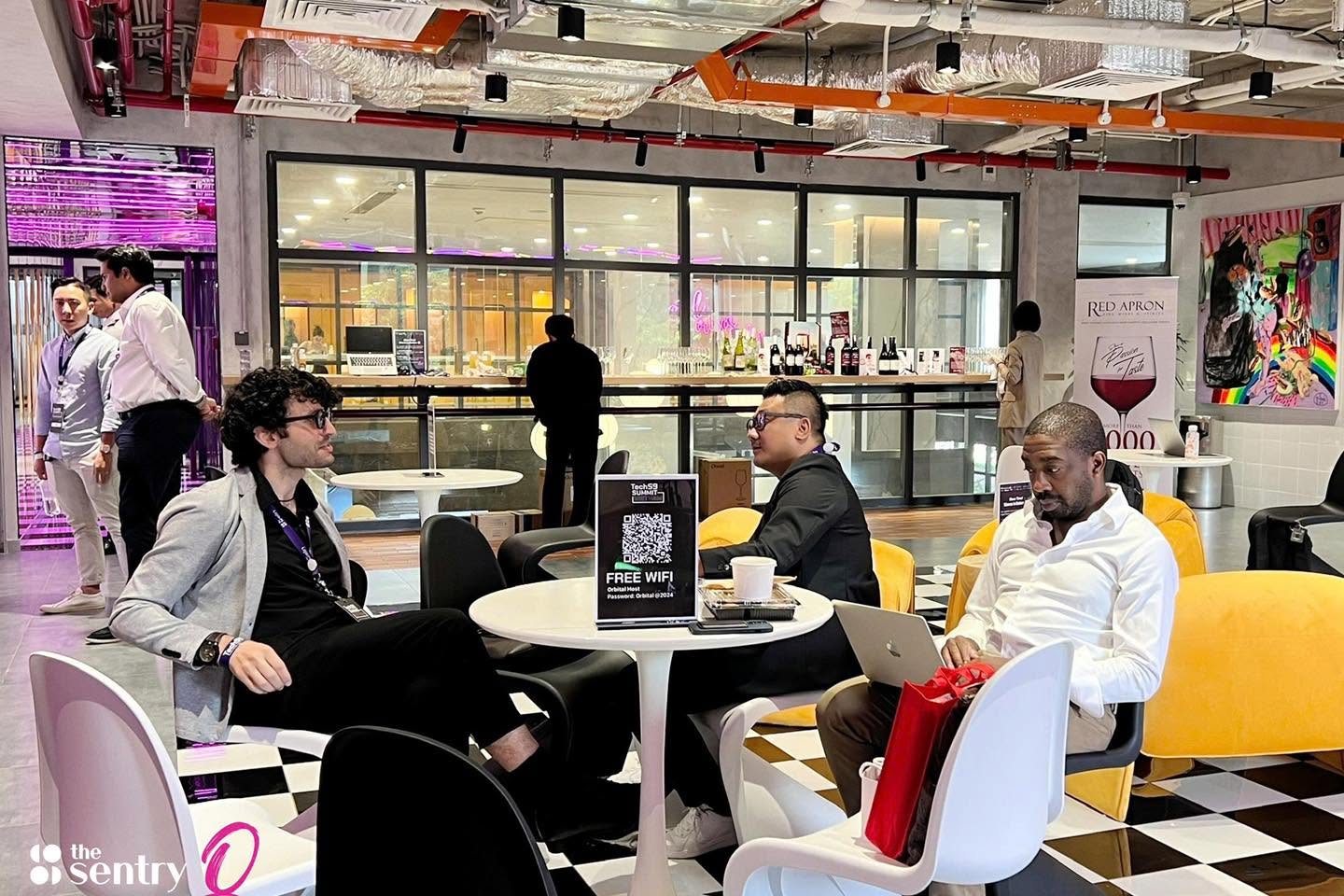
Vietnam's digital economy continues to attract interest from technology companies, startups, investors, and established businesses pursuing digital transformation.
Ho Chi Minh City and Hanoi are important centres for technology talent, entrepreneurship, and business services. Their growing ecosystems create opportunities for companies seeking local partnerships, skilled employees, and access to potential clients.
For technology and professional services businesses, the working environment can also influence how teams collaborate and grow.
What this means for your business: Companies should consider whether their workspace supports their operating model, from focused individual work to client meetings and team collaboration. As headcount changes, flexible lease structures and scalable office solutions may help businesses manage their space requirements more effectively.

10. A Business Environment with International Appeal
Vietnam offers a combination of business opportunities, cultural experiences, and lifestyle options that can appeal to international professionals relocating for work.
Major cities provide access to international schools, healthcare services, residential developments, restaurants, and established expatriate communities. However, the suitability of a location will vary depending on an employee's role, family needs, commute, and lifestyle preferences.
For companies relocating regional teams or hiring overseas talent, these considerations can influence both recruitment and retention.
What this means for your business: Office location should be assessed as part of a broader workplace strategy. Accessibility, nearby amenities, transport options, and the surrounding business environment can all contribute to the employee experience.
Where Should Your Business Establish a Presence in Vietnam?
Vietnam presents opportunities across multiple industries, but the right market-entry strategy depends on your business objectives, operating requirements, and growth plans.
For many international companies, Ho Chi Minh City is an important starting point because of its concentration of commercial activity, talent, and business services. Hanoi may be better suited to businesses prioritising northern Vietnam, government-related engagement, or proximity to northern industrial centres. Other locations may be more appropriate for manufacturing, logistics, or specialised operations.
Choosing the right city is only the first decision. Companies must also evaluate specific districts, buildings, rental commitments, accessibility, and the potential to accommodate future growth.

Establish Your Vietnam Presence with leapX
leapX helps international businesses navigate Vietnam's commercial real estate market through office search, tenant representation, leasing advisory, workplace strategy, and market-entry support.
Whether you are establishing your first local office, relocating an existing team, or expanding across multiple locations, leapX can help you:
- Identify office locations aligned with your business objectives.
- Compare commercial properties, rental terms, and occupancy costs.
- Assess workspace requirements based on team size and operational needs.
- Plan for expansion, relocation, and long-term portfolio efficiency.
Planning to enter or expand in Vietnam?
Explore commercial office opportunities with leapX or contact our team to discuss your property requirements in Ho Chi Minh City and Hanoi.

Explore dedicated office space and flexible coworking space options for your team in Vietnam.